Blackheath estate rubbish removal tips for narrow access
Posted on 22/06/2026
If you live or work on a Blackheath estate, you already know the awkward bit is rarely the rubbish itself. It is the corridor that turns too sharply, the stairwell that seems to shrink when a sofa appears, or the back gate that only opens halfway on a good day. These Blackheath estate rubbish removal tips for narrow access are here to help you clear waste without the usual stress, bumps, or last-minute panic. Whether you are dealing with a flat clearance, bulky furniture, builders' offcuts, or a long-overdue loft tidy, the right approach makes a huge difference.
In practice, narrow access changes everything: planning, timing, lifting method, vehicle choice, and even how you sort items before anyone arrives. Get it right and the job feels smooth. Get it wrong and you can end up with scratched walls, blocked entrances, awkward delays, and a lot of "we should have measured that first." Let's make sure that does not happen.

Why Blackheath estate rubbish removal tips for narrow access Matters
Blackheath has plenty of estate properties, maisonettes, purpose-built flats, and older buildings where access is not exactly generous. That matters because rubbish removal is not just about loading waste into a van. It is about safely moving items from the point of storage to the exit, and sometimes that exit is a winding staircase, a shared hallway, or a parking area a fair way from the front door.
Narrow access increases the chance of damage and delay. A wardrobe may fit through a room doorway but catch on the bend in the stairwell. A fridge might be fine on paper but impossible to turn in a tight landing. Even bagged waste can become awkward if there is nowhere to stage it. In real life, these are the little details that decide whether the job feels tidy and organised or messy and rushed.
It also matters for neighbours. Estates tend to be shared spaces, and one blocked passage or a pile of items left in the wrong place can quickly annoy the people around you. That is why careful planning is not just polite; it is practical. For larger home moves, multi-room clearances, or inherited property clear-outs, you may also find it useful to read house clearance support in Greenwich and the broader services overview for an idea of how different clearances are approached.
How Blackheath estate rubbish removal tips for narrow access Works
The process usually starts before anyone lifts a single item. First comes an access check. This is where you measure doors, hallways, stair turns, lifts, gates, and any external route that may be needed. Then you group the waste by type: furniture, general household rubbish, electricals, garden waste, builders' debris, or mixed junk. That simple sorting step saves a lot of time later.
Next, the team decides how to remove items in the safest order. In some properties, it makes sense to clear smaller bags first so the route opens up. In others, the largest item has to come out early while the pathway is still clear. If items need to be dismantled, that should ideally happen before the moving starts, not halfway through the stairwell while everyone is trapped behind a mattress. Bit dramatic, but you get the picture.
For narrow-access sites, good operators often use compact trolleys, protective blankets, corner guards, and shorter carrying runs. Sometimes a job that looks like a simple van load becomes a carefully choreographed route through the property. That is normal. If the waste includes old furniture, this may also connect with furniture disposal in Greenwich, while mixed junk from decluttering may sit better under junk removal services or rubbish clearance depending on the load.
Key Benefits and Practical Advantages
Done properly, narrow-access rubbish removal is less stressful than trying to improvise on the day. The biggest benefit is safety. Safe handling reduces the risk of back strain, dropped items, broken glass, or wall damage. It also protects communal areas, which matters a lot in estate settings where shared hallways can show scuffs very quickly.
There is also a clear time benefit. When the access plan is thought through, the team can move in a steady rhythm rather than stopping every minute to reassess. That makes the job quicker, and quicker jobs are usually calmer jobs. Truth be told, calm is underrated.
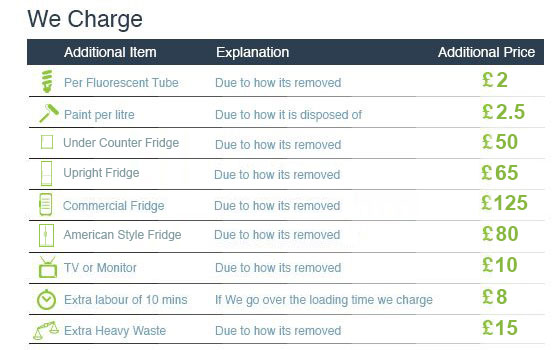
Another advantage is cost control. Narrow access often affects labour time more than the waste volume itself. If you pre-sort items, dismantle where sensible, and make the route as open as possible, you may reduce avoidable delays. That can be especially helpful when comparing pricing and quotes or deciding whether a larger one-off clearance is better than multiple smaller visits.
- Less damage to walls, floors, and doors
- Safer lifting and carrying in tight routes
- Fewer delays from blocked access or poor planning
- Better neighbour relations in shared estates
- More predictable labour time and costs
Who This Is For and When It Makes Sense
This kind of planning helps a wide range of people. It is not only for landlords or big clearances. A one-bedroom flat with a narrow staircase can be just as tricky as a larger house. In fact, sometimes it is the smaller property that causes the most friction because every turn matters.
You will likely benefit if you are:
- a tenant moving out of a flat with limited hallway space
- a landlord clearing furniture after a tenancy ends
- a homeowner dealing with loft or garage clutter on an estate
- a property manager organising routine waste collection
- a builder or decorator removing small-volume site waste
- someone clearing inherited belongings from a compact property
It also makes sense when you need a fast turnaround. For example, if a sale is nearing completion or a rental inspection is approaching, narrow access can quickly become the thing that throws your schedule off. In those cases, local advice and proper coordination matter more than ever. If your timeline is tight, you might find same-day rubbish removal options near Cutty Sark helpful for understanding how fast clearances are sometimes handled in nearby parts of Greenwich.
Step-by-Step Guidance
Here is the practical version. Not flashy, just useful.
- Measure the access route. Check door widths, stair corners, ceiling height at awkward points, lift size, and external paths. Do not forget the final turn into the van loading area.
- List the bulky items first. Sofas, wardrobes, beds, wardrobes again because they always seem larger on removal day, white goods, and anything heavy or fragile should be identified early.
- Sort by type. Put general rubbish, reusable items, electricals, metals, and garden waste into separate groups if possible. This makes loading and disposal far smoother.
- Clear the route. Move shoes, lamps, plant pots, recycling boxes, and loose clutter out of the path. Even a few extra centimetres can help.
- Dismantle what you can. Remove legs, shelves, bed frames, and doors where sensible. Keep screws and fixings in labelled bags. Yes, labelled. Future-you will be grateful.
- Protect surfaces. Use blankets, cardboard, or edge protection on likely contact points. Tight stairwells and fresh paint do not mix well.
- Plan the loading order. Put the hardest-to-move pieces out first while the route is still clear, then finish with bags and smaller items.
- Leave a simple handover note. If the job is being done while you are not present, make sure access instructions, parking notes, and contact details are clear.
If you are dealing with a mix of household clutter and heavier items, a service such as waste removal in Greenwich can suit the kind of flexible, mixed-load job that narrow-access estates often create. For smaller, faster jobs, rubbish collection may be more appropriate.
Expert Tips for Better Results
There are a few habits that consistently make narrow-access jobs go better. First, take photos of the access route before the removal team arrives. That sounds simple, but it can reveal pinch points you missed when walking through. A low doorway, a tight landing, a locked shared gate, all the fun little surprises.
Second, think about timing. Early morning or quieter periods are often easier on estates because parking, bin areas, and communal walkways are less busy. That helps with both access and neighbour goodwill. A rushed late-afternoon slot can be fine, but if the estate is busy, you may spend half the time waiting for a space or trying to pass people on the stairs.
Third, be realistic about what can be moved intact. Some furniture simply will not travel well through narrow routes. In those cases, dismantling is not a failure; it is the smart move. A sofa in two parts is still a sofa. Just a more cooperative one.
Fourth, use the right service for the load. If the waste is mainly a builder's mix of timber, plasterboard offcuts, packaging, and dust sheets, a specialist route like builders' waste clearance may be better than a general tidy-up. And if you are clearing a loft, the awkward angles and hatch size make loft clearance support especially relevant.
Expert summary: the best narrow-access jobs are won before lifting starts. Measure carefully, clear the route, dismantle where sensible, and choose a clearance method that matches the property rather than forcing the property to fit the method.
Common Mistakes to Avoid
The most common mistake is underestimating the route. People often measure the largest item and forget the bend in the stairwell. Or they check the front door and forget the internal hallway. Or they assume "it will probably fit." Probably is not a plan.
Another frequent issue is leaving too much loose clutter in the way. Even if the items themselves are small, a hallway full of boxes, coat racks, and storage tubs can turn a simple move into a slow shuffle. That is especially annoying in estate blocks where space is already limited.
Other mistakes include:
- not telling the team about parking restrictions
- failing to protect shared walls and bannisters
- mixing sharp waste with soft items
- forgetting about lift restrictions or booked lift times
- waiting until the day of removal to dismantle large furniture
- using the wrong disposal route for electricals or hazardous items
One easy trap is trying to save time by carrying too much at once. It usually does the opposite. Two safe trips are better than one awkward, lurching one. Your shins will thank you. So will the wall.
Tools, Resources and Recommendations
You do not need a van full of specialist gear to manage a narrow-access clearance, but a few basics help a lot. Strong gloves, furniture sliders, a trolley or sack barrow, dust sheets, tape, labels, and measuring tape are worth having to hand. If the route includes stairs, proper lifting technique matters more than brute force. That sounds obvious, though in the moment people still forget it.
For waste that includes mixed household items, a guided service can save hassle. Depending on what you need removed, you might look at:
- house clearance for larger domestic clear-outs
- garage clearance if the access point is wide enough but clutter is heavy
- office clearance for small workplace removals
- garden waste removal for bags, cuttings, and outdoor debris
- recycling and sustainability guidance if you want to think more carefully about disposal routes
If you are comparing methods, it can also help to read about skip hire in Greenwich and how it stacks up against bulky waste pickup on Greenwich Peninsula. Not every estate is suitable for a skip, and narrow access often makes a wait-and-load or man-and-van style approach far less stressful.
Law, Compliance, Standards, or Best Practice
When rubbish is removed from a property in England, the main thing for most householders is to make sure waste goes to a proper authorised route and is not fly-tipped. That sounds basic, but it is worth saying clearly because narrow-access clearances sometimes create pressure to "just get it gone" and move on. Better to be careful.
As a resident or property manager, you should also think about reasonable care in shared spaces. That means avoiding blocked fire escapes, keeping communal walkways clear, and making sure items are not left where they can obstruct other residents. In buildings with management rules, loading times or parking arrangements may also need to be respected.
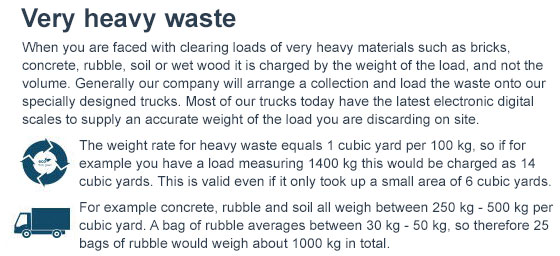
If you are disposing of electrical items, sharp materials, or anything potentially hazardous, separate handling is sensible. Some items require more careful treatment than ordinary household rubbish. It is best to ask about this in advance rather than guessing on the day. For anything involving site waste or materials from refurbishment, the expectations are usually stricter, so a service focused on builders' waste clearance may be the safer choice.
The best practice standard, plain and simple, is this: plan ahead, use the right method, and avoid making the route or disposal process harder than it needs to be.
Options, Methods, or Comparison Table
There is no one-size-fits-all answer for narrow-access estates. The right method depends on the type of waste, the size of items, and how tight the property really is. Here is a quick comparison to help you think it through.
| Method | Best for | Strengths | Limitations |
|---|---|---|---|
| Man and van / wait-and-load style removal | Bulky items, mixed rubbish, tight estates | Flexible, avoids needing a skip, good for awkward access | May take careful scheduling and loading time |
| Skip hire | Predictable loads, larger clear-outs, driveway or open access | Useful for ongoing waste generation and bigger projects | Can be impractical where access or parking is limited |
| Full house clearance | End-of-tenancy, probate, major declutter | Hands-off for the client, efficient for multiple rooms | Needs good planning where stairs and hallways are tight |
| Targeted furniture disposal | Sofas, beds, wardrobes, single heavy items | Efficient for one-off bulky pieces | Not ideal if there is a lot of mixed waste too |
For many Blackheath estate properties, a flexible collection method wins because it avoids the physical and logistical headache of placing a skip where it simply does not belong. That said, a skip can still make sense in the right setting, especially for sustained renovation waste or where the estate has more open parking and loading space.
Case Study or Real-World Example
Here is a realistic example. A resident in a Blackheath estate had a spare room full of old furniture, three storage boxes of books, a broken office chair, and a few bags of mixed clutter from years of "I'll deal with that later." The property had a narrow staircase, a turning landing halfway up, and a shared entrance with limited parking outside.
On first glance, it looked awkward. The kind of job that can get messy if nobody plans it properly. So the approach was simple: measure the stair turns, remove the lamp tables and small bags first, dismantle the bed frame before moving it, and pad the main contact points on the walls. The large wardrobe was separated into panels before it ever left the room. That saved a lot of wobbling on the stairs.
The whole point was not speed for its own sake. It was smoothness. By treating the narrow route as part of the job rather than an afterthought, the clearance stayed neat, the hallway stayed protected, and the resident avoided the classic "how did this get so complicated?" feeling. In a setup like that, you really notice the value of planning. A tiny bit of prep, and the whole thing is far less of a faff.
Practical Checklist
Use this quick checklist before your removal day.
- Measure doors, hallways, stairs, lifts, gates, and any tight corners
- Identify the largest and heaviest items first
- Sort rubbish into clear groups where possible
- Check parking and estate loading restrictions
- Clear the access route of loose clutter
- Dismantle furniture that will not safely pass through tight spaces
- Protect walls, floors, and bannisters
- Separate anything sharp, fragile, or potentially hazardous
- Tell the team about any access codes, shared entrances, or timed lift use
- Confirm whether your chosen method suits the property layout
Quick take: if you can walk the route comfortably while carrying a bulky item in your mind, you are probably still underestimating it. Measure twice. Then check again. It saves a lot of grief.
Conclusion
Narrow access does not have to make rubbish removal difficult. It just means the job needs a bit more thought, a bit more care, and a better sense of the building itself. On Blackheath estates, that usually means planning the route, choosing the right clearance method, protecting shared areas, and being honest about what will and will not fit through the space.
If you remember only one thing, let it be this: the quickest removal is often the one planned the best. That is true for a single sofa, a cluttered flat, or a full estate clearance. And when the day arrives, a calm, measured approach always beats a rushed one.
Get a free quote today and see how much you can save.
If you want a clearer sense of the service, the next sensible step is to review the available rubbish removal services and then use the contact page to ask about your access details. A few honest measurements now can spare you a lot of hassle later.



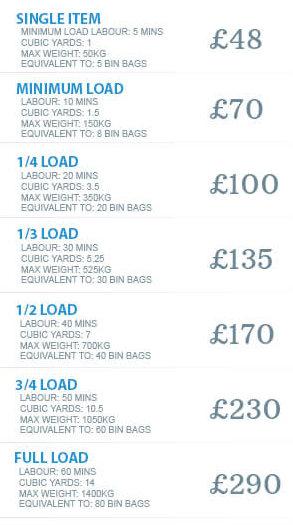
 Tipper Van - Rubbish Removal and House Clearance Prices in Greenwich, SE10
 Luton Van - Rubbish Removal and House Clearance Prices in Greenwich, SE10