Skip hire and bulky waste pickup Greenwich Peninsula
Posted on 06/06/2026
If you live, work, or manage a property around Greenwich Peninsula, bulky waste has a habit of appearing at the worst possible time. A sofa that will not fit through the lift. Flat-pack packaging stacked in the hallway. A bathroom rip-out that suddenly looks bigger than the room itself. That is where skip hire and bulky waste pickup Greenwich Peninsula becomes genuinely useful, not just convenient.
This guide breaks down how the process works, when a skip makes more sense than a same-day pickup, what to watch out for, and how to choose a service that keeps your project moving without unnecessary stress. We will also look at practical local issues, from access and loading to recycling expectations and booking timing. Truth be told, the best waste solution is usually the one you do not have to think about twice.

Why Skip hire and bulky waste pickup Greenwich Peninsula Matters
Greenwich Peninsula is a busy, high-density part of London, and that changes the way rubbish needs to be handled. Apartments often have shared entrances, limited parking, tight loading areas, and lift access that can make moving bulky items awkward. A simple clear-out can turn into a logistics puzzle very quickly.
Skip hire and bulky waste pickup matter because they give you two workable routes for different kinds of waste problems. A skip suits projects with a steady stream of waste. Bulky waste pickup suits awkward items that need lifting, sorting, and removal with less disruption. For many people, the real value is not just disposal. It is reclaiming space, reducing clutter, and avoiding half-finished jobs that hang around for weeks.
There is also the practical side. Leaving items in communal corridors or outside a block can create complaints, safety issues, and extra clean-up. If you have ever seen a sofa waiting by the door at 7am in the rain, you will know the feeling. Not ideal. A proper arranged collection avoids that whole mess.
For homeowners, landlords, letting agents, and contractors, the service also helps keep a timeline under control. A flat move-out, refurbishment, or post-tenancy clear-out often has a narrow window. Waste cannot be the thing that slows it down. If you need a broader overview of related services, the site's services overview is a useful starting point.
How Skip hire and bulky waste pickup Greenwich Peninsula Works
The process is usually straightforward, but there are a few moving parts. In general, you choose between a skip or a bulky waste collection based on the type and volume of waste, the access available, and how quickly the space needs to be cleared.
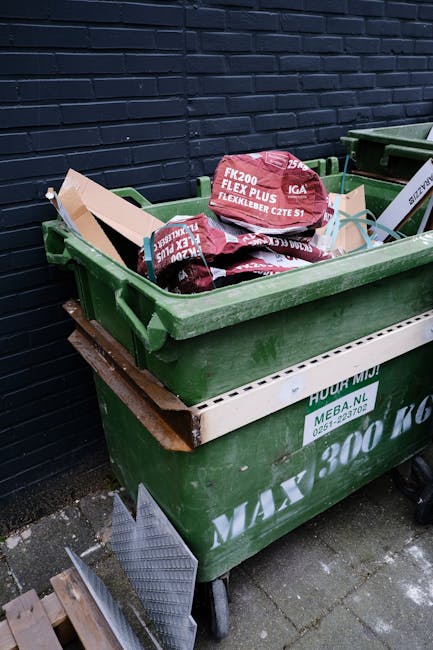
Skip hire means a skip is delivered to a suitable spot, filled over an agreed period, and then collected once ready. This is often best for ongoing jobs such as renovations, strip-outs, garden overhauls, or house clearances with a lot of mixed material. The key question is simple: will the waste keep arriving for more than a few hours?
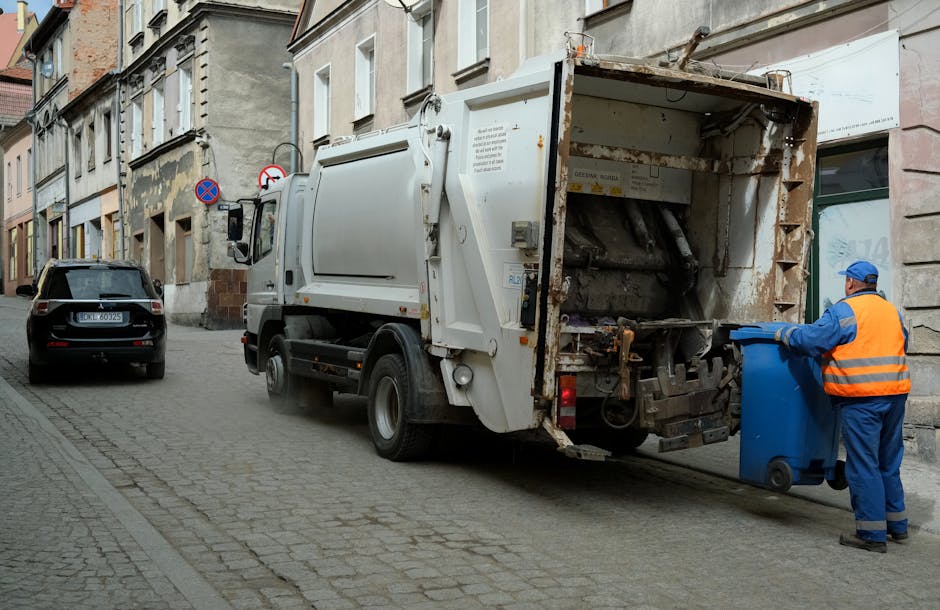
Bulky waste pickup is more like a scheduled removal for larger items such as wardrobes, sofas, mattresses, white goods, desks, or broken household pieces. These are collected by a team who can handle lifting and loading, which is very helpful where stairwells, lifts, and narrow hallways are involved.
In practice, the choice often comes down to access and urgency. If you have a pile of furniture in a second-floor apartment and no easy place for a skip, pickup is usually cleaner and less disruptive. If you are clearing out building rubble or renovation waste over several days, a skip may be the more efficient choice. For more specialised building waste, you can also look at builders waste clearance Greenwich.
Sometimes, people assume the largest option is automatically the best. It usually is not. Over-ordering waste capacity can cost more than you need to spend, and under-ordering creates a second round of work. Neither is fun. A quick estimate of what you are throwing away saves headaches later.
Key Benefits and Practical Advantages
The obvious benefit is getting rid of waste. But if that were the whole story, any old grab-and-go solution would do. In reality, the value is in how the service changes the rest of your project.
- Less clutter, more progress: Clear spaces are easier to work in, safer to move through, and quicker to finish.
- Better time management: You avoid repeated trips to disposal facilities and can focus on the actual job.
- Fewer access problems: A trained collection team knows how to handle bulky items without damaging walls, doors, or communal areas.
- More predictable planning: A booked collection or skip gives you a definite waste outlet instead of guessing where everything will go.
- Potential recycling benefits: Reputable operators will sort recoverable materials where possible, which matters more and more now.
There is also a mental benefit that is easy to underestimate. A room full of old furniture or renovation debris can make the whole place feel stalled. Once the waste is gone, the next step becomes obvious. That is often when people say, "Right, now we can actually get on with it."
For everyday household clear-outs, bulky waste pickup can be the least disruptive option. For larger cleanouts, skip hire may offer better value per load. Either way, you are buying convenience, but also a bit of calm. And honestly, calm is underrated.
If sustainability is part of your decision-making, you may also want to read about recycling and sustainability, since the way waste is processed matters as much as the removal itself.
Who This Is For and When It Makes Sense
This service is not just for building sites or big landlords. It fits a wide range of real-life situations around Greenwich Peninsula.
- Home movers: especially if you are leaving behind old furniture, damaged items, or bulky bits not worth transporting.
- Renters between tenancies: when the previous occupants left more than the keys and a few bin bags.
- Landlords and letting agents: for fast reset between tenants or end-of-tenancy clear-outs.
- Homeowners renovating: kitchens, bathrooms, flooring, and general refits create more waste than people expect.
- Businesses and offices: desks, shelving, archive clear-outs, and old equipment can build up quickly.
- Anyone dealing with a single large item: a mattress or sofa can be awkward enough to justify a pickup on its own.
It also makes sense when you need to keep shared spaces tidy. In a block of flats, dragging items through communal areas can be stressful and, let's face it, a bit antisocial. A scheduled collection keeps things tidy and reduces friction with neighbours or building management.
If the waste is mainly household clutter, mixed junk, or old furniture, useful related services include furniture disposal Greenwich, junk removal Greenwich, and rubbish collection Greenwich. For bigger clear-outs, house clearance Greenwich and office clearance Greenwich can be more suitable.
Step-by-Step Guidance
If you want the whole thing to run smoothly, a little planning goes a long way. Here is a simple approach that works well in practice.
- Sort the waste first. Decide what is being kept, what is reusable, and what is genuinely ready to go. A quick sort saves time later.
- Estimate the volume. Try to judge whether you are dealing with a few bulky items, a mixed household clear-out, or construction waste. This helps you avoid choosing the wrong method.
- Check access. Measure doorways if needed, note lift restrictions, and think about whether a skip can be placed safely and legally.
- Choose the service type. Pick skip hire if the waste will accumulate over time. Pick bulky waste pickup if you need lifting, loading, and fast removal.
- Book the right time. If access is tight, choose a slot that avoids peak traffic or busy building times. Early mornings can sometimes be easier, though not always.
- Prepare the items. Break down flat-pack furniture, remove loose contents, and separate anything hazardous or restricted.
- Confirm the details. Make sure the team knows about stairs, parking, entry codes, or any special access notes.
- Keep the route clear. Move small obstacles, protect floors if needed, and leave a clear path to the collection point.
If you are comparing general removal options too, the page on waste removal Greenwich can help you understand how the wider service mix fits together. There is no need to overcomplicate it, but a little clarity makes a big difference.
Expert Tips for Better Results
After plenty of real-world clearances, a few patterns show up again and again. These are the small things that make the job easier, cleaner, and usually cheaper.
- Photograph the waste first. A couple of quick photos help with planning and reduce surprises on the day.
- Separate heavy from light materials. Mixed loads can be handled, but obvious sorting speeds things up.
- Be realistic about awkward items. That old wardrobe might look manageable until you try turning it in a hallway. Funny how that happens.
- Leave room for access. If items are stacked too tightly, lifting them out safely becomes slower and riskier.
- Ask how recycling is handled. Not every operator will recycle the same way, and it is reasonable to ask.
- Factor in building rules. Some blocks have loading windows or restrictions on where waste can sit, even briefly.
A practical tip that saves stress: keep a small "do not remove" zone inside the property. It sounds simple, but it stops good items from accidentally getting bundled with waste. I have seen people lose chargers, paperwork, and once, rather ridiculously, a perfectly fine lamp because everything got piled together. Not ideal at all.
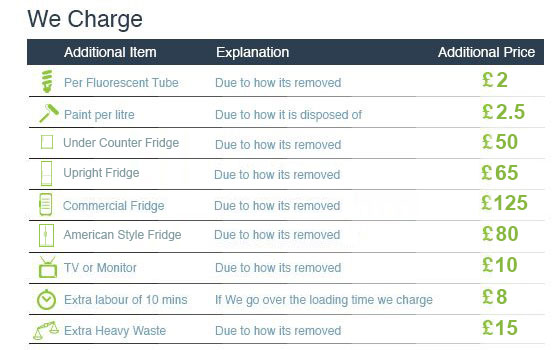
If you are preparing for a move, renovation, or property refresh, a quick read through the company's pricing and quotes information can also help set expectations before you book.
Common Mistakes to Avoid
Most waste jobs go wrong for the same handful of reasons. None of them are dramatic on their own, but together they can create delays and extra cost.
- Choosing skip hire when pickup would be simpler: especially for a few bulky items in a flat.
- Underestimating the load: a half-full plan can turn into a second collection, which nobody wants.
- Forgetting access limits: lifts, narrow stairwells, traffic, and parking all matter.
- Mixing restricted items into general waste: this can create safety and compliance issues.
- Leaving the booking too late: last-minute arrangements reduce your options, especially during busy moving periods.
- Ignoring communal rules: placing waste where it should not be can cause problems with neighbours or building managers.
Another common one is assuming bulky waste means "anything big, no questions asked." Not quite. Some items need special handling, and some materials may be treated differently. If you are unsure, ask before the day rather than after the truck has arrived. Saves a lot of back-and-forth.
For particularly mixed or complex loads, rubbish clearance Greenwich is often a practical middle ground between DIY disposal and a full clearance service.
Tools, Resources and Recommendations
You do not need a complicated toolkit to manage waste well, but a few simple things help.
- Tape measure: useful for checking whether furniture will fit through doors or lifts.
- Bin bags, labels, and markers: helpful when separating keep, recycle, and remove piles.
- Basic gloves and sturdy footwear: sensible if you are moving items before collection.
- Phone camera: ideal for logging the load and keeping a record before clear-out day.
- Room-by-room notes: a quick written list stops you forgetting small storage areas like lofts, garages, and cupboards.
From a service-planning perspective, the most useful internal pages to review are often the ones that match your exact situation. For example, if your project includes a garage, you may benefit from garage clearance Greenwich. If the clutter is coming from storage spaces, loft clearance Greenwich is a better match. And if the job is largely a mix of odds and ends, junk removal Greenwich keeps things simple.
One small recommendation: do not wait until everything is perfectly sorted before booking. Sometimes people over-organise and then miss the collection window. A good operator can usually handle a certain amount of uncertainty, but they cannot remove waste that never gets scheduled. Bit of a pain, really.
Law, Compliance, Standards, or Best Practice
Waste removal in the UK should be handled carefully and responsibly. While this article is not legal advice, a few best-practice points are worth keeping in mind.
First, make sure any waste is handled by a legitimate operator that can explain what happens to the material after collection. Responsible disposal is not just a nice extra; it is part of good practice. If you are a landlord, business owner, or contractor, that matters even more because waste handling can become part of your wider duty of care.
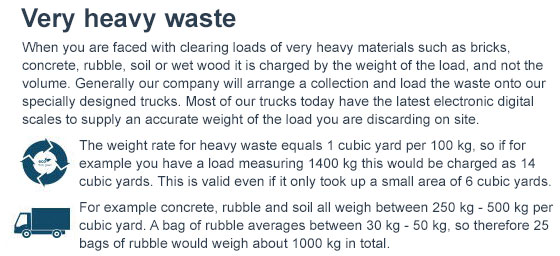
Second, be careful with what you place in a skip or hand over for bulky waste collection. Items such as hazardous materials, electrical waste, and certain liquids may need separate handling. The exact rules vary by material and situation, so it is better to ask before loading than to guess. To be fair, guessing rarely ends well here.
Third, if a skip is being placed on public land or a restricted area, permissions and local rules may apply. That is the kind of detail people forget until the day before. Planning ahead avoids the awkward "we need to move this now" moment.
It is also sensible to check provider terms, payment details, and safety information before booking. The site's pages on terms and conditions, payment and security, and insurance and safety are worth a look if you want the operational basics laid out clearly.
Options, Methods, or Comparison Table
Choosing between skip hire and bulky waste pickup depends on the job, not on habit. Here is a simple comparison to make that decision easier.
| Option | Best for | Strengths | Trade-offs |
|---|---|---|---|
| Skip hire | Renovations, ongoing clear-outs, mixed heavy waste | Flexible loading, good for larger volumes, works over time | Needs suitable placement and enough space; not ideal for a few single items |
| Bulky waste pickup | Furniture, appliances, awkward household items | Fast, hands-on, less effort for the customer | Less suited to steadily accumulating waste or large rubble loads |
| Full clearance service | Homes, offices, garages, lofts, large mixed spaces | Most convenient when there is a lot to remove | May be more service than you need for one or two items |
If the waste is tied to a specific type of property project, matching the service can help. For instance, a refurbishment is often better served by builders waste clearance Greenwich, while domestic decluttering may be better handled by house clearance Greenwich.
Case Study or Real-World Example
Picture a typical flat on Greenwich Peninsula after a long-awaited move. The residents have sold the place, the moving van is booked, and suddenly the old sofa, a broken sideboard, two mattresses, and several bags of mixed clutter are still there. There is no space for a skip, the lift is narrow, and the building manager has asked that the communal hallway stays clear. Fair enough.
In that kind of situation, bulky waste pickup is usually the best fit. The items can be collected in one arranged visit, the team can manage the lifting, and the flat can be handed back without leaving a trail of rubbish behind. If the homeowners also have a small storage cupboard full of odds and ends, they might combine that with a broader junk removal or furniture disposal job rather than trying to tackle it separately.
Now compare that with a kitchen refit in a nearby property. The waste keeps building each day: old units, broken tiles, packaging, offcuts, and bagged debris. That is where skip hire becomes more practical. The crew can load waste as the project progresses, and the builder does not have to spend the afternoon juggling repeated collection requests. Simple enough, but it makes a real difference.
If you want a sense of how same-day or near-term waste support can work in a busy part of Greenwich, the article on rubbish removal near Cutty Sark Greenwich SE10 same day options is a helpful companion read.
Practical Checklist
Use this checklist before you book. It keeps the whole process calmer, and calmer is usually better.
- Have you listed everything that needs removing?
- Do you know whether the waste is mostly bulky items, mixed rubbish, or construction debris?
- Have you checked access, parking, and lift restrictions?
- Is there enough space for a skip if you choose one?
- Have you separated items you want to keep?
- Are any items likely to need special handling?
- Have you read the provider's terms and safety information?
- Is the collection time realistic for your schedule?
- Have you considered whether a clearance service would be simpler than skip hire alone?
- Do you know how to contact the provider quickly if anything changes?
Quick expert summary: if waste is piling up over several days, skip hire usually works best. If the main issue is one-off bulky items in a tight access property, pickup is often the better route. If you are looking at an entire room, loft, garage, or office, a tailored clearance may save time and reduce stress.
Get a free quote today and see how much you can save.
Conclusion
Skip hire and bulky waste pickup Greenwich Peninsula is really about making waste disposal fit real life in a busy London setting. The right choice depends on access, volume, timing, and how much hands-on help you need. Once you match the method to the job, everything becomes easier: fewer delays, less mess, and a lot less faffing about.
Whether you are clearing a flat, emptying an office, tackling a refurbishment, or just dealing with one stubborn sofa that will not budge, the main goal is the same: get the space back and keep the process under control. That is what a good waste solution should do. Quietly useful, no drama.
And when the last item is gone and the room feels bigger than you remembered, that small sigh of relief is often the best part.


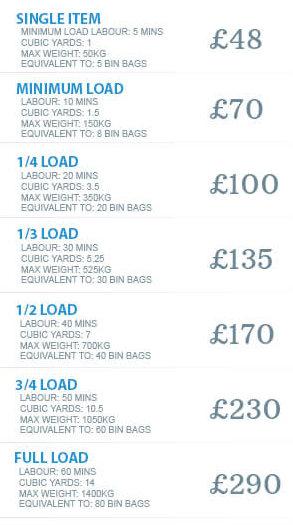
 Tipper Van - Rubbish Removal and House Clearance Prices in Greenwich, SE10
 Luton Van - Rubbish Removal and House Clearance Prices in Greenwich, SE10