Skip hire versus rubbish removal hidden costs Greenwich council
Posted on 01/08/2026
Skip hire versus rubbish removal hidden costs Greenwich council: what catches people out and how to avoid it
If you are weighing up skip hire versus rubbish removal hidden costs Greenwich council, you are probably trying to answer a very ordinary but annoying question: what will this actually cost once everything is added up? On paper, skip hire can look neat and simple, while rubbish removal can seem more flexible. In real life, the bill can creep up through permits, access issues, weight limits, waiting time, and a few other little surprises that are easy to miss on a busy week.
This guide breaks down the hidden costs in plain English, so you can compare the two options properly, spot the extras before they appear, and choose the route that fits your property, your waste type, and your timetable. Greenwich homes, flats, terraces, and tighter streets all change the equation a bit. That is the bit people often forget.

Why Skip hire versus rubbish removal hidden costs Greenwich council Matters
Hidden costs matter because the cheapest quote is not always the cheapest outcome. That sounds obvious, but in a rush it is easy to look at the headline price and stop there. Then the extra bits arrive. A permit. A second lift. A missed collection window. A charge because the waste was heavier than expected. Suddenly the "budget" option is no longer budget-friendly.
Greenwich is not the easiest place to move waste around either. Parking can be awkward, some streets are narrow, and access around flats or maisonettes can be tight. A skip on the road may need permission, while a collection team may need time to carry rubbish from upstairs, through a shared hallway, or around a back garden path. Different setup, different hidden-cost profile.
To be fair, neither option is automatically better. Skip hire is often strong for jobs where you are working slowly over a few days. Rubbish removal is often stronger when you need the lot gone in one visit. The right answer depends on how much rubbish you have, how quickly you need the space cleared, and whether your property layout is working for you or against you.
Expert summary: The real comparison is not just skip hire versus rubbish removal. It is the total cost after permits, labour, access, timing, weight, and any council-related restrictions are properly factored in.
If you want a broader look at the services behind these decisions, the services overview is a useful place to understand the wider range of clearance options. For readers dealing with flats, furniture, or full-property clear-outs, related pages like house clearance in Greenwich and furniture disposal in Greenwich can also help frame the decision.
How Skip hire versus rubbish removal hidden costs Greenwich council Works
Let us strip the jargon away. Skip hire means a skip is delivered to your property or a nearby legal placement point, you fill it yourself, and it is collected later. Rubbish removal means a team comes to remove the waste for you, usually on a booked visit, and the waste is loaded into the vehicle by the crew.
The hidden-cost difference comes from where the responsibility sits. With skip hire, you are paying for container delivery, collection, and often the space it occupies. With rubbish removal, you are usually paying for labour, vehicle use, sorting time, and disposal. Neither is free of extras; they just appear in different places.
Typical hidden costs with skip hire
- Permit or skip placement cost: If the skip needs to sit on the public highway, local permission may be required.
- Overfilling charges: Skips cannot always be piled high. If waste sits above the rim, removal may be refused or charged extra.
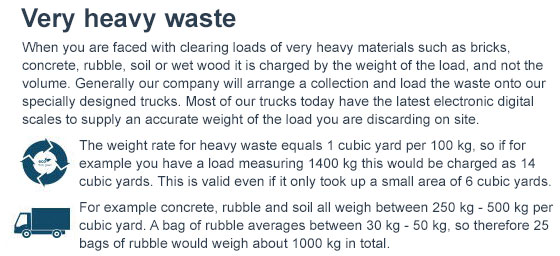
- Weight-based surprises: Dense waste such as soil, rubble, bricks, and tiles can push the load into a more expensive band.
- Hire extension fees: If the project runs late, the extra days add up.
- Restricted access costs: Delivery can become trickier where there is narrow access or awkward parking.
Typical hidden costs with rubbish removal
- Labour time: Stairs, long carries, and awkward items can increase the time needed.
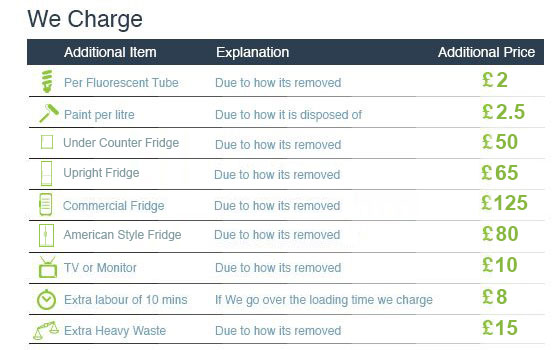
- Separate item charges: Fridges, mattresses, or bulky furniture may be priced differently from mixed junk.
- Waiting or delay fees: If the property is not ready when the team arrives, you may lose the slot or face a call-out issue.
- Unexpected volume: A pile that looks small from one angle can be much bigger once sorted.
- Access complications: Tight entrances, limited parking, or shared corridors can increase effort and cost.
Greenwich council-related considerations tend to come into play most clearly with permits, parking, and placement rules. You do not want to assume a skip can simply be dropped anywhere. Likewise, you do not want to assume a clearance team can just block a pavement and sort it out later. Practical details matter. Annoyingly, they really do.
If your priority is avoiding surprise charges, this related guide on how to avoid hidden rubbish removal charges in Greenwich goes deeper into common add-ons and what to ask before booking.
Key Benefits and Practical Advantages
Once you understand the extra charges, it becomes easier to see why people choose one option over the other. Each has a legitimate place. The trick is to match the method to the waste, not the other way around.
Why people choose skip hire
- Good for ongoing projects: If you are renovating over several days, a skip gives you a fixed disposal point.
- Useful for heavy waste: Builders' waste, rubble, and mixed construction material are often easier to manage this way.
- Predictable if planned well: Once the permit and size are right, you know where you stand.
- Less disruption inside the property: Waste is kept outside, which can suit a busy household.
Why people choose rubbish removal
- Fast and convenient: Ideal when you want the job gone in one visit.
- No skip sitting outside: Helpful where parking is difficult or neighbours may object.
- Better for mixed household items: Furniture, general junk, and cleared-out rooms can be easier to lift out in one go.
- Less DIY lifting for you: A proper crew handles the heavy bits, which is a relief when you are already tired from clearing a room.
In practice, the biggest benefit is not speed or price alone. It is certainty. A good quote tells you what is included, what might change, and what needs to be true on the day. That is the kind of clarity worth paying for. If you are comparing options for a particular job, the pricing and quotes page can help set expectations before you commit.
Who This Is For and When It Makes Sense
This topic matters to a fairly wide set of people, but the underlying need is the same: remove waste without getting caught by avoidable extras.
- Homeowners clearing clutter: Loft, garage, or garden jobs can look small and then snowball.
- Landlords and letting agents: Tenancy changeovers can create sudden waste spikes and tight turnaround times.
- Builders and trades: Materials can be bulky, heavy, and awkward to schedule.
- Office managers: Desk clear-outs, shelving, archive disposal, and mixed junk all need timing.
- Anyone on a tight street: Access can make the difference between a smooth job and a headache.
Let's face it, if you live on a road where parking is already a small battle, the "simple" option may not be simple at all. A skip can sit there and create pressure. A rubbish removal visit can be quicker, but you need the pile ready and the access sorted.
For people in compact homes, top-floor flats, or properties with narrow entrances, the Blackheath narrow-access tips article is especially relevant. It deals with the kind of practical pinch points that tend to push costs up if they are not discussed in advance.
If you are specifically comparing waste journeys in local neighbourhoods, the guide on skip hire and bulky waste pickup on Greenwich Peninsula is also worth a look. Different layouts, different trade-offs.
Step-by-Step Guidance
Here is a simple way to compare your options without getting lost in the detail.
- List the waste type. Is it general household junk, furniture, soil, rubble, or mixed builders' waste?
- Estimate volume honestly. Try to picture the pile in cubic terms, not just "a few bits." Most people underestimate.
- Check access. Can a vehicle stop nearby? Is there a lift? Are there stairs? Is the front path narrow?
- Think about timing. Do you need the space clear today, this weekend, or over several days?
- Ask about all possible extras. Permits, waiting time, overfilling, heavy waste, and special items should all be discussed.
- Compare the total cost, not the headline price. Add the likely extras and compare like for like.
- Book the option that fits the job, not the one that just sounds cheaper. That is the real money saver.
A quick example: if you are stripping a room and a garden over a weekend, a skip may suit if you have the space and the load is bulky or heavy. If you are emptying a flat before handing back keys, rubbish removal may be cleaner and faster, especially if there is no convenient place for a skip. Both can work. The wrong one is the one you need to keep paying to fix.
Expert Tips for Better Results
These are the little things that usually save the most money.
- Photograph the waste before you book. A few clear images can help avoid the classic "it was bigger than expected" problem.
- Separate heavy material from light mixed waste. Builders' rubble, soil, and mixed junk often price differently.
- Measure access properly. Not roughly. Properly. A few minutes with a tape measure can save a lot of back-and-forth later.
- Be realistic about time. If you are cleaning as you go, a skip may be useful. If not, a same-day collection can be more efficient.
- Check whether items need special handling. Mattresses, appliances, and awkward furniture can change the cost.
- Keep the booking window clear. A delayed team, or a blocked driveway, can turn a sensible quote into a messy one.
One small but important tip: ask whether the quote assumes easy access. That one phrase can save you from a frustrating surprise. You do not need legal drama over a sofa. Nobody does.
For residents and businesses wanting a broader sense of the service range, rubbish clearance in Greenwich, office clearance in Greenwich, and garage clearance in Greenwich show how different clearances can shift the best method.
Common Mistakes to Avoid
The most expensive mistakes are usually boring ones. That is the annoying truth.
- Choosing by headline price only: The lowest number can hide the highest final bill.
- Forgetting the skip permit question: If the skip is not on private land, this is one of the first things to check.
- Underestimating weight: Bricks and soil are heavy in a way that surprises people every time.
- Not measuring access: Tight corners and stairwells are where jobs get awkward.
- Leaving the pile half-sorted: A mixed, messy load often takes longer to handle.
- Booking too early without preparing the waste: If the collection team arrives and the job is not ready, you may waste the slot.
Another common one is assuming all rubbish is treated the same. It is not. Some items are simple to remove; some require more care, more handling, or different disposal arrangements. The better you separate things, the easier the quote tends to be.
Tools, Resources and Recommendations
You do not need fancy tools to make a good decision, but a few simple things help enormously.
- Phone camera: Take photos of each area and the overall pile.
- Tape measure: Measure doorways, corridors, and access points.
- Notes app: Write down item types, rough volume, and any special concerns.
- Calendar reminder: Keep the booking day clear and avoid last-minute clashes.
- Simple room-by-room list: This helps stop waste being forgotten in cupboards, under stairs, or in the shed.
Recommended reading on the same site includes same-day rubbish pickup delays and solutions in Greenwich SE10 if your schedule is tight, and same-day rubbish removal near Cutty Sark for local timing questions. If you are planning a bigger project, the page on builders' waste clearance in Greenwich is useful for construction-style loads.
If sustainability matters to you, the recycling and sustainability page is helpful background, especially when you want to understand how mixed waste may be sorted responsibly.
Law, Compliance, Standards, and Best Practice
This is the section people often skip, and then regret it. Waste removal is not only about convenience. There are practical compliance expectations around lawful disposal, safe handling, and correct placement of skips or other containers.
In simple terms, you should make sure any waste is collected and disposed of by a legitimate provider, and that the service you book is suitable for the type of waste you have. If a skip is placed on a public road, local permission may be needed. If access is awkward, that should be discussed before the job starts. If items are hazardous, fragile, or unusually heavy, those details should be declared up front.
Best practice is straightforward:
- Give an accurate description of the waste.
- Share photos if asked.
- Confirm access and parking conditions.
- Ask how waste will be handled and sorted.
- Keep written notes of the quote and what it includes.
It is also sensible to review business information pages that show how a provider approaches safety, security, and service terms. The pages on insurance and safety, payment and security, and terms and conditions can help you understand what standards to expect before booking. That may sound a bit dry. It saves stress, though.
Options, Methods, or Comparison Table
Here is a practical side-by-side view of the two approaches, with hidden costs included.
| Factor | Skip hire | Rubbish removal |
|---|---|---|
| Best for | Ongoing clear-outs, heavy waste, DIY projects | Quick removals, bulky household items, single-visit clearances |
| Main hidden costs | Permit, overfill, weight, extra hire days | Labour time, access issues, special item handling, delay fees |
| Space required | Needs a place to keep the skip | Needs room for the team to load and park |
| Speed | Slower, but flexible over time | Usually faster if the pile is ready |
| Effort from you | You load it yourself | The crew loads it for you |
| Risk of surprise charges | High if weight or permit details are missed | High if access, volume, or special items are not explained |
In a nutshell, skip hire suits control and ongoing use. Rubbish removal suits convenience and speed. If you have tight access, a busy schedule, or a property where a skip would be awkward, clearance often wins on real-world value even if the headline price is a touch higher. If you have heavy waste and room to work over several days, skip hire can be the better fit. Simple, but not simplistic.
Case Study or Real-World Example
Imagine a Greenwich terrace after a long overdue loft tidy-up. Boxes have come down from the attic, there is an old mattress, broken shelving, a cracked chest of drawers, and a pile of mixed bags from the spare room. The owner first thinks a small skip will do. Then they notice the road is narrow, parking is limited, and there is no obvious private space for placement. Suddenly the cheap option is less cheap.
In that situation, a rubbish removal booking can make more sense. The crew arrives, carries items out, and clears the lot in one visit. The homeowner avoids permit uncertainty, neighbour complaints about a skip sitting outside for days, and the risk of a half-filled container taking up space on a busy street.
Now flip the scenario. A small renovation project in a house with a driveway, where rubble, wood offcuts, and old bathroom materials are coming out over a week. Here a skip may be more efficient. The homeowner can fill it gradually, the waste stays contained, and there is no need for repeated visits. Different job, different best choice.
That is really the heart of the issue. Hidden costs are not random. They are usually a sign that the chosen method does not match the property or the project very well.
Practical Checklist
Use this before you book anything.
- Have I identified the exact type of waste?
- Do I know roughly how much there is?
- Is access easy or awkward?
- Will a skip need a permit or special placement?
- Are there stairs, lifts, or long carries involved?
- Do I need same-day removal or a flexible hire period?
- Have I asked about heavy waste, mattresses, appliances, or other special items?
- Do I understand what is included in the quote?
- Have I checked whether the final price changes if the job takes longer?
- Is the area ready for collection on the day?
If you can answer those calmly, you are already ahead of most people. Honestly, half the battle is simply asking the right question before the van turns up.
Conclusion
Skip hire versus rubbish removal hidden costs Greenwich council is less about which service is "better" and more about which one matches your waste, access, and timing without surprising you later. The real savings usually come from planning properly: understanding permit needs, measuring access, estimating waste honestly, and asking what is included before you book.
For Greenwich households, landlords, and businesses, that small bit of prep can make a huge difference. Sometimes skip hire is the right tool. Sometimes a removal team is the cleaner, quicker answer. The best choice is the one that makes the whole job easier, not the one that looks cheapest in a hurry.
If you are still weighing up your options, a clear conversation and a properly itemised quote will usually tell you more than any headline price ever will. And that bit of calm before the job starts? Worth a lot.
Get a free quote today and see how much you can save.



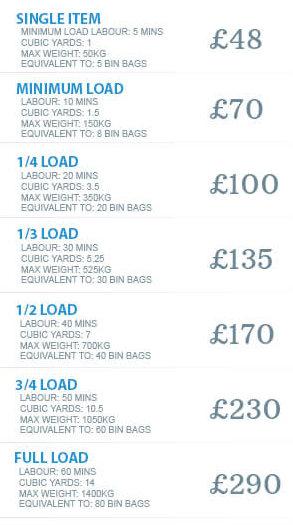
 Tipper Van - Rubbish Removal and House Clearance Prices in Greenwich, SE10
 Luton Van - Rubbish Removal and House Clearance Prices in Greenwich, SE10