Guide to skip permit applications Greenwich council
Posted on 23/10/2026
If you are planning a house clear-out, renovation, garden project, or builders' job in Greenwich, the skip permit question tends to appear right when you're already juggling three other things. That's normal. The Guide to skip permit applications Greenwich council below is designed to make the process feel much less fiddly and far more predictable.
In plain English, a skip permit is the permission you may need before placing a skip on a public road, pavement, or other council-controlled land. If the skip is going on private property, the rules are usually different. Still, the details matter. Miss one small step and you can end up with delays, extra costs, or a very annoying phone call no one wants on a Friday afternoon.
This guide explains when a permit is likely needed, how the process usually works, what to prepare, common mistakes to avoid, and how to choose the right waste solution for your job. It also helps you think through the practical side: timing, access, safety, and whether a skip is actually the best fit for your project at all.
Why Guide to skip permit applications Greenwich council Matters
A skip permit may sound like a small admin task, but it sits right at the point where planning meets public space. If your skip is going on a road, layby, or pavement, the council has an interest in safety, access, visibility, and keeping streets usable for everyone. That means the permit is not just a formality. It is part of making sure the placement is lawful and practical.
Why does this matter so much in Greenwich? Because local streets can be busy, narrow, or awkwardly shaped, especially around older residential roads, terraces, and mixed-use areas. A skip placed badly can obstruct pedestrians, cyclists, emergency access, deliveries, or neighbours trying to park. In some places, it can even create a real nuisance in a matter of hours.
Let's face it: most people do not think about waste until the pile is staring at them from the hallway. But once you understand the permit side, the whole job gets easier. You can budget better, schedule collection properly, and avoid the scramble that happens when someone realises the skip lorry is due before the permit has been sorted.
The other reason this guide matters is simple: the wrong setup can cost more than the permit itself. A rushed decision, a blocked road, or a skip hired too late often leads to avoidable delays. A little bit of preparation goes a long way here.
Expert summary: If a skip will sit on public land, assume permit checks are needed early. If it will be on your own land, still check access, ground strength, and whether the skip lorry can safely reach the spot.
How Guide to skip permit applications Greenwich council Works
At a practical level, the process usually works like this: you decide where the skip will sit, check whether that location is private or public, and then arrange the permit if needed before the skip arrives. The details can vary depending on the exact site, the size of the skip, and the waste carrier or hire company involved.
There are usually two broad scenarios. First, the skip can be placed fully on private property such as a driveway, forecourt, or yard. In that case, a permit is often not required, though you still need to make sure the location is suitable and accessible. Second, the skip has to go on the road or other public space. That is where a permit application typically comes in.
There is also a timing factor that people overlook. Permits are not always instant, and you should not assume a same-day skip drop will happen without the right paperwork in place. In many real jobs, the permit timeline shapes the whole schedule more than the waste itself does. A builder might be ready on Monday, but the skip lands on Wednesday because that is when everything aligns. A bit frustrating, yes, but much better than having a skip turned away.
You should also think about the practical conditions around the placement. Access width, overhanging trees, lamp posts, parked cars, low walls, and pedestrian routes all matter. In Greenwich, where some streets are tighter than they look on a map, those details can make the difference between a smooth delivery and a messy one.
If you are comparing clearance options rather than deciding on a skip immediately, it can help to look at broader service pages first. Our services overview gives a useful starting point, while the skip hire Greenwich page is a practical next step if a skip looks like the right fit.
Key Benefits and Practical Advantages
Done properly, a skip permit application brings more than compliance. It can make the whole waste removal process calmer and more efficient. That sounds a bit grand for a permit, but it is true.
- Less risk of disruption: A permitted skip is far less likely to cause complaints or enforcement issues.
- Better planning: You can coordinate the drop-off with trades, site work, or a clear-out day.
- Safer placement: Thinking through the permit usually forces a proper look at the site and its hazards.
- Cleaner workflow: The project starts with structure rather than guesswork.
- Fewer surprises: You reduce the chance of last-minute changes, rebooking, or access problems.
There is also a softer benefit: peace of mind. If you have ever had a skip sitting outside your property during a renovation, you will know how quickly it becomes part of the street scene. Neighbours notice it. Deliveries work around it. You notice it every time you look out the window. When the placement is sorted properly, that presence feels controlled instead of chaotic.
For households, that often means less stress during spring clear-outs, moving prep, or loft and garage jobs. For trades and landlords, it means one less moving part on already busy days. In our experience, that alone is worth taking seriously.
Who This Is For and When It Makes Sense
This guide is for anyone in Greenwich who may need a skip on or near public land. That includes homeowners, tenants with landlord permission, landlords managing voids, builders, decorators, landscapers, shopfitters, and office managers dealing with bulky waste. It also helps if you are not yet sure whether a skip is the best option and want to compare it with other waste solutions.
It makes sense when you have a decent amount of rubbish that is awkward to move in smaller loads. Think renovation debris, old furniture, garden cuttings, broken shelving, bathroom rip-out waste, or mixed household items after a declutter. A skip can be especially useful when waste will build up over several days rather than in one neat burst.
It may be less suitable if you only have a few items, if access is extremely tight, or if you need waste removed quickly without space for a skip to sit. In those situations, a direct collection service can sometimes be simpler. If you are unsure, a sensible comparison is between skip hire and other clearance methods, not just the skip itself.
One real-world example: a family clearing a house before sale might think they need the biggest possible skip. In practice, they may need a mid-sized skip plus staged loading, or they may be better off using a combination of clearance and targeted disposal. The right answer is not always the biggest container. A little boring, perhaps, but very true.
If your project involves bulky items or mixed waste in a way that feels more like a full clearance than a build job, you may also want to explore house clearance Greenwich or rubbish clearance Greenwich depending on the volume and urgency.
Step-by-Step Guidance
Here is a clear, practical way to approach the permit process without overcomplicating it.
- Confirm where the skip will go. Start with the location. Private land and public land are treated differently, so this first decision changes everything.
- Measure access properly. Check the width of the road, driveway, gate, and turning space. A tape measure is boring, but very useful.
- Choose the right skip size. Bigger is not always better. Too small means overfilling and possible extra hire. Too large can waste money and space.
- Check whether a permit is likely needed. If the skip will sit on a public road or pavement, assume you need permission unless told otherwise.
- Build in time. Do not leave permit planning until the day before delivery. Give yourself room for scheduling and paperwork.
- Arrange the hire details. Confirm dates, placement instructions, access notes, and any restrictions. Be very clear here. "Near the gate" is not enough.
- Prepare the site. Move cars, clear obstructions, and think about where the lorry can safely approach.
- Load the skip correctly. Keep waste level with the top edge and avoid prohibited materials. If you are unsure what is allowed, ask before filling it.
- Plan collection in advance. A full skip left sitting too long can become a nuisance. Book the removal date as part of the original plan where possible.
A useful habit is to treat the permit as part of the project setup, not as an afterthought. People often focus on the waste and forget the street outside. That is where the headaches happen.
What to prepare before you apply or book
- Exact address and the proposed placement area
- Estimated skip size
- Preferred hire dates
- Access notes for the road, driveway, or front garden
- Any site restrictions, such as parked vehicles or low branches
- Photos if the location is awkward or tight
If you can supply those details up front, the process tends to move more smoothly. It also helps the provider give more realistic advice. Honestly, clear information saves everyone time.
Expert Tips for Better Results
Here is where a bit of experience pays off. These are the details that often separate a smooth skip job from one that turns into a weekly saga.
1. Choose placement with the whole week in mind
Do not just think about drop-off day. Consider bin collections, neighbours' parking habits, school runs, deliveries, and any trades coming and going. A skip that looks fine at 9 a.m. can be a nuisance by 5 p.m. if the street is busy.
2. Check the surface before you commit
Driveways and forecourts can be vulnerable to damage, especially with heavier skips or wet ground. If the surface is soft, uneven, or newly laid, raise it early. It is much easier to solve before the skip arrives than after the marks are there.
3. Keep the load tidy
Overhanging waste and random stacking make collection harder and can create safety issues. Break down bulky items where possible. Flat, even loading is quicker, safer, and less likely to trigger problems later.
4. Match the service to the job
If the waste is mostly household items, a clearance service can sometimes be more efficient than a skip. If the waste is coming from a steady renovation or landscaping job, a skip may be the better call. There is no medal for choosing the wrong option and then having to fix it.
5. Ask about restrictions early
Some materials and site conditions may affect what is possible. It is better to ask about them before the skip is booked than to discover the issue after a delivery attempt. Small question, big impact.
And one more thing: do not assume the same approach works for every Greenwich street. What fits neatly in a quiet cul-de-sac may be a headache on a busier road. Local conditions really do matter.

Common Mistakes to Avoid
Most skip permit problems come from a handful of familiar mistakes. The good news is that they are easy to avoid once you know what to watch for.
- Leaving the application too late: This is the classic one. The job is ready, the waste is piling up, and the permit still has not been sorted.
- Guessing the size or location: A rough guess can be expensive if it leads to the wrong skip or an unsuitable placement.
- Ignoring access issues: If the lorry cannot reach safely, the plan falls apart quickly.
- Overfilling the skip: This can create collection issues and may mean you have to unload or rebalance waste.
- Assuming private land is always straightforward: It is usually easier, yes, but not always simple. Space, weight, and access still matter.
- Forgetting about neighbours and street use: A skip that blocks sightlines or parking can cause friction very fast.
There is also a subtle mistake people make when they are in a rush: they think paperwork is separate from the actual job. In reality, it is part of the job. A permit is not just admin. It is one of the things that makes the whole setup workable.
If cost control is on your mind, it may also help to compare the long-term impact of different waste methods. The article on skip hire versus rubbish removal hidden costs in Greenwich is a useful companion read for that decision.
Tools, Resources and Recommendations
You do not need a fancy toolkit to handle a skip permit application well. What you do need is a few practical basics and a little discipline.
Useful things to have to hand
- A tape measure for access widths
- Phone photos of the proposed site
- A simple calendar with delivery and collection dates
- A note of any known restrictions on the street or driveway
- Contact details for the property manager, landlord, or site lead if relevant
Practical recommendations
If your project is a large home clear-out, you may want to combine a skip with smaller pre-sorting steps. For example, separate reusable items, recycling streams, and heavier rubble before the skip arrives. That keeps loading easier and can reduce stress on collection day.
If the job is more garden-focused, compare the volume carefully. Green waste, branches, soil, and broken fencing can add up faster than people expect. A dedicated option such as garden waste removal Greenwich may make more sense than a generic approach, depending on the mix.
For builders and trades, keeping the site tidy from the start is usually the best time-saver. A well-planned waste route means fewer trips, fewer tripping hazards, and a better-looking site. If that sounds obvious, well, it is. But it gets skipped surprisingly often.
When you need a broader overview of disposal options, the waste removal Greenwich page is a good place to see how skip hire fits within the wider service picture.
Law, Compliance, Standards, or Best Practice
Skip permit applications touch on compliance because they involve public space, traffic movement, and safe access. The exact rules and approval details can vary, so it is best to treat this as a local compliance issue rather than a one-size-fits-all formula.
As a general best practice, the following points should guide your approach:
- Do not place a skip on public land without proper permission.
- Make sure the skip is visible and positioned safely. In low-light periods, visibility matters even more.
- Keep access routes clear for pedestrians and vehicles where possible.
- Follow the provider's placement and loading instructions.
- Handle waste responsibly. Separate items where needed and avoid mixing prohibited materials with general waste.
There is also an insurance and liability angle to think about. If a skip is damaged, moved incorrectly, or placed badly, the knock-on effects can become messy very quickly. That is one reason it helps to work with a provider that takes safety seriously and explains the process clearly. Our insurance and safety page is worth a look if you want to understand that side better.
Best practice also means being honest about the site. If the road is tight, if parking is awkward, or if access is likely to be difficult, say so early. A straightforward conversation usually saves more time than a perfect-sounding booking that later falls apart.
Options, Methods, or Comparison Table
People often assume a skip is the default answer. Sometimes it is. Sometimes it really is not. Here is a simple comparison to help you think it through.
| Option | Best for | Pros | Things to watch |
|---|---|---|---|
| Skip hire | Larger, ongoing waste from clear-outs or works | Convenient, holds mixed waste, good for multi-day jobs | May need a permit on public land; needs space |
| Rubbish clearance | Quick removal of items without leaving a container behind | Fast, flexible, less street clutter | May be less convenient for waste generated over several days |
| Junk removal | Bulky, awkward, or urgent items | Good for one-off loads and speed | Can be less efficient for larger, ongoing projects |
| House clearance | Whole-property or room-by-room clearances | More hands-off, useful for emotional or time-sensitive jobs | May be more than you need for a smaller project |
If you are weighing skip hire against other methods, think about the timeline first. If waste is building up over a few days, a skip is often more practical. If you need the space back immediately, a collection service can feel much lighter to manage.
For a more detailed cost-and-convenience angle, the service comparison in our Greenwich skip hire versus rubbish removal guide can help you see the trade-offs more clearly.
Case Study or Real-World Example
Here is a straightforward example from a typical Greenwich household project. A couple clearing a semi-detached home after years of accumulated furniture, boxes, and some DIY leftovers wanted to place a skip outside because the driveway was already full. At first glance, that looked simple enough. Then the practical issues started appearing: parked cars, a narrow road, and a delivery schedule that had to fit around work and school runs.
The first sensible move was to check the exact placement. The road location meant permit planning had to be part of the booking, not an afterthought. The second move was to estimate the waste more honestly. Some items could be broken down or donated. That reduced the overall volume and meant a medium skip was enough, rather than rushing into a larger one.
They also cleared the front area the evening before. Sounds minor. It made a big difference. The skip arrived without drama, the neighbours had room to pass, and the loading happened in a tidy sequence over the next couple of days. No frantic reshuffling, no awkward collection delay, no "where on earth are we putting this old wardrobe?" moment. Honestly, that moment never helps.
The useful lesson is that the permit question was not separate from the project. It shaped the whole plan. Once that was understood, everything became easier.
Practical Checklist
Use this checklist before you book or apply. It keeps the process grounded and stops small things slipping through the cracks.
- Have you confirmed whether the skip will be on private or public land?
- Have you measured the access route and the likely placement area?
- Have you checked for obstacles such as parked cars, low branches, or narrow turning space?
- Have you chosen a skip size that fits the waste volume realistically?
- Have you allowed enough time for permit-related planning?
- Have you checked whether the waste type includes anything restricted or awkward?
- Have you decided who will load the skip and when?
- Have you planned the collection date before the skip arrives?
- Have you considered whether a skip is better than a direct clearance service?
- Have you shared any access notes clearly with the provider?
Quick takeaway: if the plan feels vague, pause and tighten it up before booking. A few extra minutes now can save hours later.
Conclusion
Skip permit applications in Greenwich do not need to feel complicated. Once you know where the skip will sit, whether the space is public or private, and what practical restrictions apply, the process becomes much more manageable. That is really the heart of this guide.
The best results usually come from simple habits: measure properly, book early, be honest about access, and choose the right waste method for the job rather than forcing the wrong one. If you do that, the permit side becomes just one more sensible step in a well-run project.
Whether you are clearing a flat, renovating a house, or managing a small site, a little planning now can save a lot of stress later. And to be fair, there is something quietly satisfying about getting the waste side organised properly. It makes the rest of the job feel lighter.
Get a free quote today and see how much you can save.
When you are ready to move forward, a clear conversation and a well-timed plan will usually get you there. Small steps, done properly, have a way of making the whole task feel less heavy.



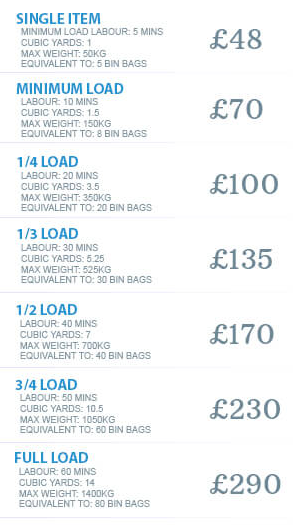
 Tipper Van - Rubbish Removal and House Clearance Prices in Greenwich, SE10
 Luton Van - Rubbish Removal and House Clearance Prices in Greenwich, SE10