Greenwich Market King William Walk rubbish collection guide
Posted on 14/06/2026
If you are dealing with clutter, market waste, household junk, or just the awkward pile of stuff that seems to grow after a busy week around Greenwich Market and King William Walk, this guide is for you. The Greenwich Market King William Walk rubbish collection guide below explains what matters locally, how collection typically works, and how to choose the right disposal option without wasting time or money. It is written for real-life situations: a flat clear-out, a shop refresh, a last-minute builder's mess, or a furniture disposal job that needs sorting properly. Truth be told, rubbish is easy to ignore right up until it is in your hallway.
This guide keeps things practical. You will find step-by-step advice, common mistakes, comparison points, and a few local realities that are easy to miss if you are new to the area. If you need broader support, you can also review the services overview and the main rubbish collection service for a clearer sense of what is available.
Why Greenwich Market King William Walk rubbish collection guide Matters
Greenwich Market and King William Walk sit in one of the busiest, most footfall-heavy parts of Greenwich. That matters because rubbish here is not just a private problem; it quickly becomes a visibility problem, a hygiene issue, and sometimes a neighbour issue too. A bag left out too early, a broken chair leaning in a communal space, or trade waste that misses collection can look messy very quickly, especially on a narrow street where people are coming and going all day.
There is also the practical side. Waste in this area often comes from mixed sources: market stall leftovers, household clear-outs, student moves, tourism-related litter, shop refits, and small building jobs. Each type of waste behaves differently. A cardboard-only pile is simple. A mixed pile with glass, old paint tins, and a heavy sofa? Different story. That is where a clear collection plan saves a lot of faffing about.
In our experience, the people who benefit most are the ones who decide early whether they need a one-off collection, a full clearance, or a longer-term waste solution. If you are not sure, that is normal. Most people are not rubbish specialists; they just want the space back and the job done without drama.
Expert summary: In a busy Greenwich location, the best rubbish collection plan is the one that matches your waste type, access limits, timing, and disposal responsibility. Simple on paper, but the details matter.
How Greenwich Market King William Walk rubbish collection guide Works
At a local level, rubbish collection usually starts with identifying what needs removing, how much there is, and whether access is straightforward. That sounds obvious, but it is where many people underestimate the task. A few bin bags and a broken bedside table might be easy. A full loft clear-out or post-refit debris job is not the same thing at all.
The typical process is:
- Assess the waste - household, commercial, garden, furniture, builders' waste, or mixed rubbish.
- Estimate the volume - one item, a small load, or a larger collection that needs more vehicle space.
- Check access - stairs, narrow entrances, loading restrictions, parking, and walking distance from the property.
- Choose the method - direct collection, clearance service, skip hire, or a specialist disposal option.
- Separate recyclables where sensible - cardboard, metal, wood, and some electronics often need special handling.
- Book a time that suits the area - especially important near a market, busy walkways, or residential blocks.
- Complete removal and disposal - ideally with recyclable material diverted appropriately and the space left tidy.
If your job is more than a few bags, it often helps to think in categories rather than "rubbish". For example, old furniture may be better handled through furniture disposal in Greenwich, while a bigger home project may fit better with house clearance or loft clearance. That little bit of matching up can save time and avoid awkward surprises on the day.
And yes, access around Greenwich can be the part people forget. A collection van is not much use if it cannot stop nearby, and a narrow stairwell can turn a simple job into a slow one. Slightly annoying, but very real.
Key Benefits and Practical Advantages
The right collection approach gives you more than a clean space. It can reduce stress, improve safety, and help keep a property presentable, which matters a lot in a place with as much movement as Greenwich Market and King William Walk.
- Faster turnaround: A planned collection usually removes waste in one go, instead of letting it sit for days.
- Better safety: Loose rubbish, broken glass, sharp timber, and unstable piles are less likely to cause accidents.
- Less visual clutter: Useful if you are a resident, landlord, trader, or property manager.
- More efficient space use: You get your hallway, yard, shop back room, or office storage back.
- More suitable disposal: Different materials can be handled more responsibly when sorted properly.
- Less disruption: Good planning reduces noise, repeat trips, and access problems.
One of the biggest practical wins is simple peace of mind. Nobody wants to spend a Saturday morning trying to work out whether the old wardrobe can go with general rubbish, whether the builders' rubble needs separate handling, or whether the pile has become too large to ignore. A proper collection plan answers those questions before they become a headache.
If sustainability matters to you, it is worth reading more about recycling and sustainability. Even small decisions, like separating cardboard from mixed waste, can make a job cleaner and more responsible.
Who This Is For and When It Makes Sense
This guide is useful for a fairly wide mix of people, and that is part of the point. Greenwich Market and King William Walk attract all sorts of activity, so rubbish needs are rarely one-size-fits-all.
You may need collection support if you are:
- a resident clearing out a flat, spare room, cellar, or loft
- a landlord preparing for new tenants after a move-out
- a shop owner dealing with packaging, display items, or end-of-line stock waste
- a cafe or small business clearing awkward bulk items
- a builder or decorator left with dust sheets, timber offcuts, and mixed debris
- someone replacing furniture and needing the old items removed properly
- anyone who simply does not want to wrestle a mattress down the stairs on their own, which is fair enough
It also makes sense when time is tight. A lot of people only realise this once they have already started stacking rubbish by the door. That is usually the point where the job stops being "later" and becomes "we need this sorted today".
If you are deciding between disposal methods, a broader waste removal service in Greenwich may suit general mixed loads, while junk removal can make sense for odd, accumulated household items that do not fit neatly into one category.
Step-by-Step Guidance
Here is a practical way to approach the job without overcomplicating it. Nothing fancy. Just a sensible sequence that works.
- Walk through the space first. Look at what is actually there, not what you think is there. People often underestimate a clear-out by quite a bit.
- Sort into piles. Keep general rubbish, furniture, recyclables, garden waste, and hazardous items apart where possible.
- Identify awkward items. Mattresses, fridges, paint tins, rubble, and large wardrobes may need special handling.
- Measure access points. Check stairs, lifts, doorways, parking space, and whether the route is likely to block others.
- Choose the right service type. A small collection, a full clearance, or a skip may be the better fit depending on volume and timing.
- Request a clear quote. Make sure the collection scope is understood before work starts.
- Set aside items that must not be mixed in. That includes anything unsafe, regulated, or likely to need separate disposal.
- Book a realistic time slot. Busy streets are easier to manage when everyone knows exactly when the collection is happening.
- Prepare the path. Move small obstacles, protect floors if needed, and make the route as simple as possible.
- Do a final check after removal. It sounds small, but people often find one extra item tucked behind a door or under a shelf.
A practical example: if you are clearing a flat above a shop near King William Walk, you may have a narrow staircase, a few old chairs, a broken desk, several bags of mixed clutter, and a bulky mattress. That is the sort of job where a quick collection plan works far better than trying to do it piecemeal over several weekends. Nobody really wants that second weekend, let's be honest.
Expert Tips for Better Results
These are the small things that make a surprisingly big difference.
- Separate clean recyclables first. Cardboard, metal, and some wood are easier to deal with if they are not soaked or mixed with general rubbish.
- Photograph the load before booking. Even a couple of quick pictures can help a collection provider understand the size and access challenge.
- Keep a "maybe" pile out of the main load. If you are unsure whether something is being kept, do not let it disappear in the rush.
- Bundle loose items safely. Tape, boxes, or sacks can make handling faster and neater.
- Think about timing near the market. Early morning or quieter windows are often easier than peak footfall periods.
- Use the right disposal route for the right job. A single sofa does not need the same solution as a garage full of mixed junk.
One thing I always tell people: the cleaner the sort, the smoother the collection. Not perfect, just cleaner. You do not need an art gallery level of organisation, but a bit of order saves effort later.
If your job includes outdoor waste, take a look at garden waste removal. For building-related materials, the dedicated builders' waste clearance page is usually the better starting point.

Common Mistakes to Avoid
A lot of rubbish collection problems are preventable. The mistakes tend to be boring, repetitive, and entirely avoidable, which is a bit irritating but also useful because they are easy to fix.
- Leaving sorting until collection day. That almost always slows things down.
- Assuming everything can be mixed together. It usually cannot, especially with bulky or hazardous items.
- Forgetting about access restrictions. A load can be ready, but the vehicle may still struggle to get close enough.
- Underestimating volume. Small piles have a funny way of becoming medium piles.
- Ignoring building or neighbour considerations. Shared entrances and communal areas need a bit of courtesy.
- Choosing the wrong disposal method. A skip, collection, and clearance service each suit different situations.
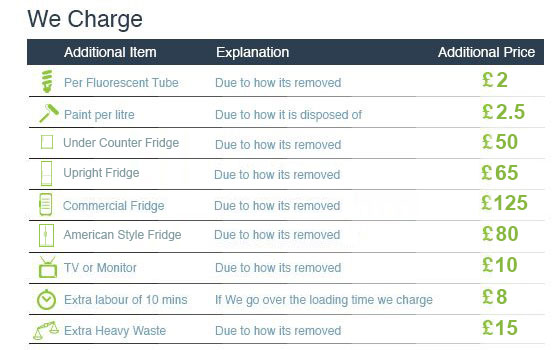
- Not checking what is included in the price. Lift access, labour, distance, and item type can all affect the outcome.
There is also a human mistake: hoping the rubbish will somehow get smaller if you keep looking at it for long enough. Sadly, no. It just sits there. Very determined.
Tools, Resources and Recommendations
You do not need specialist equipment for every job, but a few simple tools make rubbish collection easier and safer.
- Heavy-duty bags: Useful for mixed small items, but do not overload them.
- Marker pen and labels: Great for sorting keep, donate, recycle, and remove piles.
- Gloves: A basic precaution for sharp edges, dust, and dirty surfaces.
- Trolley or sack truck: Helpful for heavier household items and boxed waste.
- Cardboard boxes: Handy for neatly grouping smaller clutter before removal.
- Protective coverings: Use where floors, lifts, or communal hallways need care.
For service planning, these pages can be useful starting points: rubbish clearance for general jobs, garage clearance for storage spaces, and office clearance if the waste comes from work premises rather than a home. If pricing is on your mind, the pricing and quotes page is the natural next stop.
For company background and service confidence, it can also help to read about us. That tends to answer the question people quietly ask before they book: who is actually coming to do the work?
Law, Compliance, Standards, and Best Practice
Waste collection in the UK is not something to be casual about. You do not need to memorise legal detail to make a sensible decision, but you do need to avoid dumping responsibility without thinking.
Best practice usually means:
- keeping waste separated where possible
- not leaving waste in a way that creates obstruction or hazard
- making sure the collector is suitable for the type of material being removed
- treating electrical items, paint, chemicals, and sharp debris with caution
- using services that follow proper safety and disposal procedures
If you are a business, the standards are even more important. Trade waste, mixed commercial waste, and refurbishment debris should be handled in a way that reflects the duty of care you owe to staff, visitors, and neighbouring properties. That does not need legal jargon. It just means doing things properly and not passing the mess on blindly.
Safety is part of this too. If lifting, carrying, or loading is involved, the process should be managed carefully to reduce the risk of injury or damage. A service page like insurance and safety is worth checking because it signals that the work is being handled with proper care, not just speed.
For payment-related confidence, you can also review payment and security and the terms and conditions. Not exciting reading, granted, but very useful when you want to avoid misunderstandings.
Options, Methods, or Comparison Table
There is no single "best" rubbish collection method. It depends on the amount, type, and timing of the waste. Here is a straightforward comparison.
| Method | Best for | Strengths | Limitations |
|---|---|---|---|
| One-off rubbish collection | Small to medium mixed loads | Quick, convenient, minimal disruption | May not suit very large volumes |
| Full clearance service | Homes, offices, lofts, garages, estates | Good for bulky or mixed items, hands-off for the customer | Can be more involved than a simple collection |
| Skip hire | Projects with ongoing waste generation | Handy if rubbish builds up over several days | Needs space and can be awkward in tight streets |
| Specialist disposal | Furniture, garden waste, builders' waste, office waste | More tailored to the material | Not ideal for mixed household clutter unless combined carefully |
For a lot of people near Greenwich Market and King William Walk, the best choice is the one that removes the waste in a single visit and avoids blocking access. If that sounds like you, skip hire may suit ongoing work, while junk removal is often the better fit for accumulated clutter and odd items.
Small decision, big difference. That is usually how it goes with waste.
Case Study or Real-World Example
Here is a realistic example, based on the kind of job that comes up often in central Greenwich.
A small flat just off King William Walk has been occupied by a tenant for several years. The move-out leaves behind a broken wardrobe, a desk, two chairs, mixed household bags, a mattress, and a box of old kitchen bits. The hallway is narrow. There is a shared entrance. The building is busy through the morning.
At first glance, the job looks simple enough. But if the resident tries to move everything out in stages, the hallway fills up, access gets awkward, and the whole thing drags on. In that situation, a direct collection or clearance service is usually the cleaner option. The items can be assessed together, loaded in one visit, and removed without repeated trips up and down stairs.
The lesson here is not that every job needs a big solution. It is that the best solution is the one that fits the site. In a more open property, a different method might be better. In this one, convenience and speed win out.
That same logic applies to business premises too. A shop refit near the market might need fast removal of display fixtures, packaging, and damaged stock so the space looks ready for reopening. If you are handling a commercial space, the office clearance and builders' waste clearance pages show the kinds of specialised support that can make the job less stressful.
Practical Checklist
Use this before you book or start moving anything around.
- Identify the waste type: general, bulky, garden, office, builders', or mixed
- Separate items you want to keep before anything gets moved
- Check access: stairs, parking, lifts, and any tight corners
- Measure large items if you are unsure they will fit through doors
- Set aside anything potentially hazardous for separate handling
- Take a quick photo of the load if a quote may depend on size
- Choose the method that suits the volume and timing
- Confirm what is included in the booking
- Plan for communal areas and neighbours if the property is shared
- Check the area is left clean after collection
If you are still weighing up your options, this is a good moment to speak with a local team through the contact page. A quick conversation often clears up more than ten minutes of guesswork ever will.
Get a free quote today and see how much you can save.
Conclusion
Greenwich Market and King William Walk are lively, tightly packed, and full of movement, which means rubbish collection needs to be handled with a bit of care and a bit of common sense. The right approach depends on what you are removing, how much there is, and how easy the site is to access. Once those basics are clear, the rest gets much simpler.
Whether you are clearing a flat, refreshing a shop, handling builders' waste, or just trying to get a room back under control, a well-planned collection keeps the job tidy and the stress low. And really, that is what most people want: less mess, less hassle, and a smooth finish without the awkward extra trips. Small win, but a proper one.
If you remember only one thing from this guide, make it this: match the waste to the method, and the whole process becomes far easier.



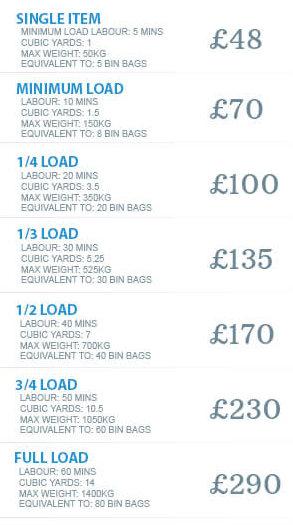
 Tipper Van - Rubbish Removal and House Clearance Prices in Greenwich, SE10
 Luton Van - Rubbish Removal and House Clearance Prices in Greenwich, SE10